


A Guide to Emotions
Emotions. Can’t live with them, can’t live without them. While we may think we prefer an emotionless life, and often while we try to create this through numbing behaviors, I can assure you that this is not the way to go. Our emotions are important, and within them they contain messages that are worth paying attention to.
Just like an attention-starved child, our emotions are clamoring for us to take notice. When we fail to pay attention, often it inspires a sense of invalidation, and the escalation begins. Conversely, when we give them the attention they deserve, the opposite is true, and relief is not long off.

Early Recovery: What to Expect in the First Year
Addiction is a serious disease that takes over a person’s life very quickly whether from long-term substance abuse, or in some cases from the very first experience of certain drugs. While there are similarities in behavior, emotional, and physical changes among individuals struggling with dependence issues, no two people will follow the same path to recovery. Each person’s case is uniquely influenced by several biological, psychological, and social factors such as age, gender, length of substance abuse, the substance being abused, and family history. However, even with so many influencing factors, most recovering people will go through similar stages on their journey to long-term sobriety.
Mindfulness
The practice of mindfulness has been gaining traction for the past several years, and has quickly risen to celebrity status among practitioners for its use in reducing stress and assisting with mood regulation. Thousands of studies have documented the physical and mental health benefits of mindfulness, especially when practiced as intended in the Mindfulness-Based Stress Reduction (MBSR) program developed by Jon Kabat-Zinn.

The Hero’s Journey and Addiction Recovery Part III
The story of addiction, and especially treatment and recovery is a well- known narrative, echoed through the great myths and legends passed down through the ages. Joseph Campbell himself noted that despite some variation, these stories of old shared a common structure: the hero answering the call), the struggle toward the goal, and his return, a transformed man. In these too, we see the three acts in the heroic journey echo the metamorphoses of addiction and recovery.

The Hero’s Journey and Addiction Recovery Part II
In the great monomyth, as depicted by Joseph Campbell, after the hero is shown in the ordinary world receiving the call and wrestling with it, there is still much left unwritten, as the bulk of the journey is yet to take place. (Read Part I Here) The story of addiction, and especially recovery, is not so unlike the great narratives of the past. True, it often seems we are compelled by something deep within us to root for the “addict’s journey”, as it complements the narrative of hope and achievement we find in the “hero’s journey” with great similarity. From this ageless narrative, the grand story that calls to us, there is so much to be learned and understood.
We pick up the narrative with our hero questioning his call, tempted to return to the security of the life he knew before...

The Hero’s Journey and Addiction Recovery Part I
You may be familiar with the work of Joseph Campbell as a professor, author, and mythologist. He is most well-known for his work in recognizing that there exists a common central pattern in the narratives of all great myths, or “the hero’s journey” as he called it. First published in his book The Hero with a Thousand Faces (1949), he recognizes the concept of “monomyth” or “one myth” that identifies all mythic narratives as variations of the same ultimate story. His work is profound in that it offers a framework of understanding not only great works of literature, or the inspired movies and film, but also our own interpersonal narratives as well.

The Stages of Change
Ask anyone living in the throes of addiction what they fear most and chances are they will tell you that they are afraid of change. To be honest, they may not phrase it this way, but the concerns are there. They may be afraid to be “found out”, to be sent to treatment, or to confront the emotions that they have been running from. Even in the worst of situations, they will likely favor the “devil they know”, and risk playing the same charades over what lies ahead in the unknown future.

Meditation for Skeptics
The practice of meditation, of thinking deeply and focusing on oneself in the present moment, has become widely popular. It has been recommended as a way to cope with stress and anxiety while also being linked to helping people achieve a state of wellness and happiness. In theory, through this practice of centering oneself, one is able to become more thoughtful and rational in daily life while also exhibiting less aggression.

Five Benefits of Group Therapy
For many people, sharing personal issues in the presence of others can be overwhelming. However, challenging yourself to open up, embrace vulnerability and share your struggles with supportive others can be extremely rewarding. In that same way, group therapy sessions can have huge impacts on the way that you learn to express yourself to others, and can be a key training ground for your relationships with important others in your life.

Barriers to Change
Change: the all-elusive substance required for growth. We certainly want others to do it, and many times we even want it ourselves, although we may find it just out of our reach. What we do know is this: change is absolutely essential for growth and development as a person. Without it, we run the risk of repeating the same maladaptive patterns and getting caught in one of life’s vicious cycles.

The “Pink Cloud” in Recovery
As you very well may know, there is a fine line in recovery between confidence in yourself that you will no longer make the same mistakes that you made when in active addiction and a sense of overconfidence in your abilities that are not necessarily grounded in reality. You may have heard this phenomenon called the “Pink Cloud Syndrome,” where individuals may leave detox feeling "high on life," or believe that they have entered into the final stages of their recovery before doing any of the work it requires. Someone may experience this phenomenon as the fog finally lifts after years of substance abuse, where they can finally take part in a life that is free from the struggle of addiction.

Am I A Rescuer?
When you have a loved one who continues to fall prey to the trap of addictive substances and behaviors, you may have made the rounds of the treatment center blogs, only to hear of terms like “codependency” and the idea of a “family addiction” and may find yourself wondering if these terms apply to you.

The Art of Listening
It is well known that the disease of addiction can be extremely isolating in its ability to drive a wedge between partners and families alike. However, many recovery programs count on the involvement of these very same members to participate in family sessions and help promote healing in their loved ones. These sessions often bring up past hurts and provocative subject material that is difficult to hear. However, unless you refuse to play the same old games- old and worn out ways of communicating with one another- change is not likely to be found.
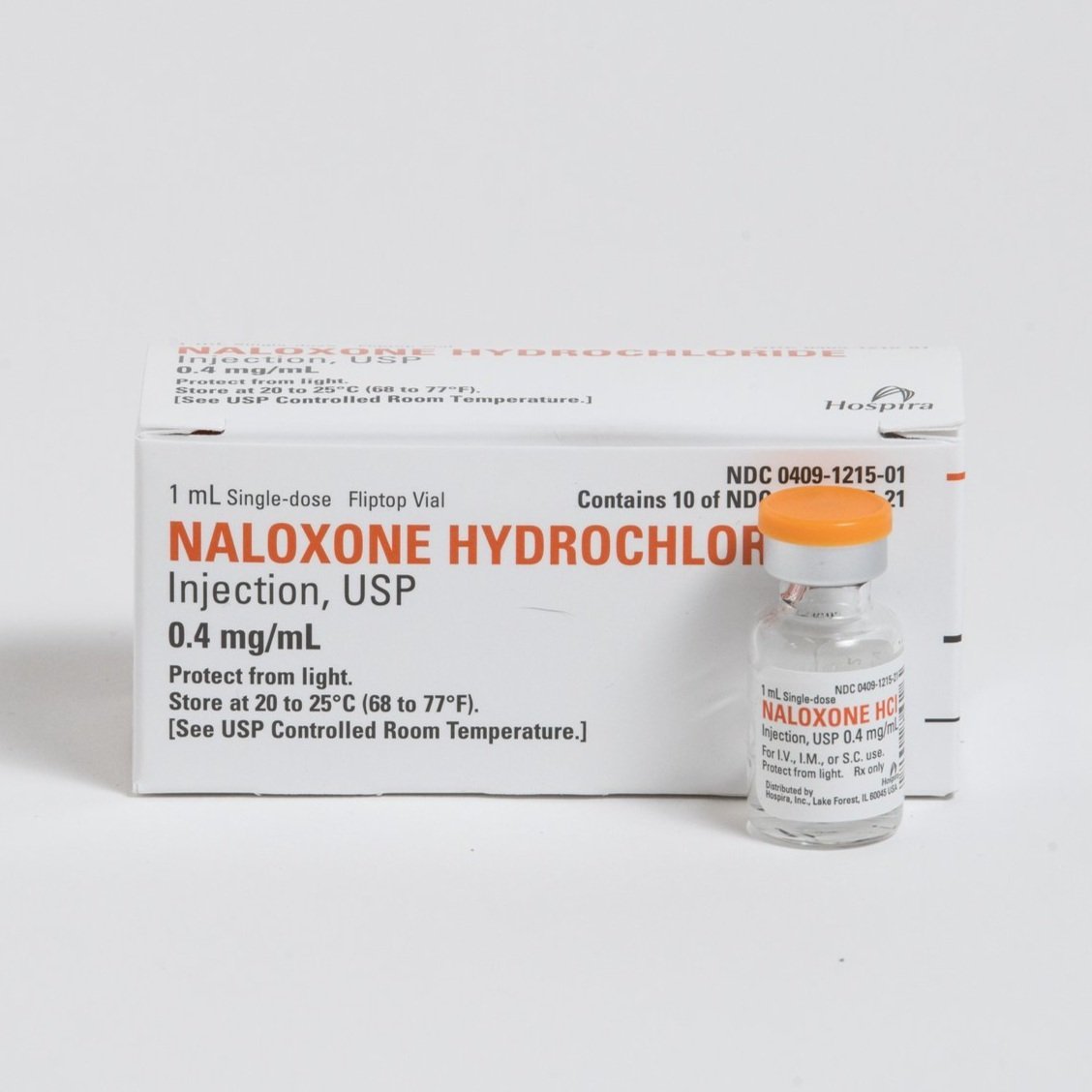
What is Medication Assisted Treatment?
It is well known at this point that when individuals become addicted to opiates, like the prescription drugs oxycontin, percocet, and hydrocodone, or illicit substances like heroin and it’s synthetic counterpart, fentanyl, that their bodies begin to physically change and adapt to the presence of the substance in their system. In what’s known as withdrawal, without the substance in their body, they experience physical and psychological cravings to return to their previous state of intoxication. Withdrawal symptoms from opiates can be understood as the opposite of the effects of the drug’s “high”. As opiates typically operate as depressants, their absence kicks many bodily systems into high gear: physically through increased sweating, tearing, runny nose, muscle aches and cramps, nausea and diarrhea; and mentally through an overactive brain, agitation, anxiety, and an inability to sleep.

Can Stress Be Helpful?
Stress is a signaling beacon of sorts. Understood neurologically, it is a signal from the Amygdala (the fight or flight part of the brain) to our Prefrontal Cortex (the problem solving part of the brain). It's our brain’s way of saying, “Hey, something is off, you need to pay attention.”
However, there is a large difference between someone saying, “Hey, something is off that you may want to look into” and “HEY SOMETHING’S OFF!” Or better yet… ”EVERYTHING IS FALLING APART!” This is the difference between “healthy stress” and stress that can become dysfunctional.

Addiction and the Criminal Justice System
When we talk about the effects of addiction on individuals and their larger community, it’s not long after the conversation shifts to include a discussion of the role of the criminal justice system in the lives of those who struggle with addiction. It seems these two go hand in hand, but as with any two correlated concepts it is important to ask, which comes first? Is it one’s addiction that paves the way for their involvement with the system, whether through earning themselves DUI’s, arrests, or incarceration? Or is it generational and systemic oppression keeping individuals trapped in this cycle, set before the near-impossible task of climbing out of social, emotional, educational and financial poverty?

Why We Believe in Trauma-Informed Care
Recently, and for good reason, terms like “trauma-informed” and “dual diagnosis” began bouncing around popular culture and appearing on the websites of counseling and treatment centers alike, but why does this matter? Why is it important? The research completed through institutions like the International Society for Traumatic Stress Studies and the work of pioneers in the field like Bessel Van der kolk have allowed us to learn of the vast and nearly ubiquitous experience of trauma in the lives of individuals around the world. While only 6.8% of the population may experience the cluster of symptoms required for a diagnosis of PTSD, an estimated 70% of adults in the US have experienced a traumatic event at least once in their lives, the majority of whom before their 18th birthday.

Addiction Diction
Oftentimes, the negative ways of describing drug addiction can drive individuals away from getting the help they need. We as a nation are still recovering from an era that viewed addiction as a defect in moral character, and while science has advanced and improved our understanding of the disease, changes are still required to update the national conversation.

To Numb or Not to Numb, That is the Question
From the time we are young, many of us pick up on the messages often directly sent from our parents, “don’t cry” (It’s not okay to feel that way) or “there’s nothing to be sad about” (your feelings are not valid). To conform with their parents’ expectations of them, children learn survival strategies of avoiding, dismissing, or distracting themselves from their feelings, and model themselves after parents who have often adopted more extreme methods for coping with their emotions through alcohol, drugs, compulsive eating or sexual behaviors, or even perhaps remaining in the seemingly harmless state of extreme busyness.

Rebuilding a Sense of Family Through Recovery
Addiction does not just impact your life but also the lives of those around you. One of the hardest but also the most rewarding parts of addiction recovery is rebuilding and re-connecting to your family. This task may initially feel overwhelming, especially when there are children involved, but is perhaps the most important for long-term recovery.